Breed profile
Shiba Inu
The Shiba Inu is the smallest and oldest of Japan's native spitz breeds, developed centuries ago to flush birds and hunt small game in the country's steep, brushy mountains. The breed nearly disappeared after World War II and was rebuilt from three surviving regional bloodlines, which is part of why thoughtful, health-minded breeding matters so much in the Shiba today. Compact, well-muscled, and unmistakably foxy in expression, a good Shiba carries himself with a confident, spirited dignity the Japanese call kan-i.
Temperament
Shibas are bold, alert, and famously independent. They are clean almost to the point of being cat-like, often housetrain easily, and tend to groom themselves. They also have opinions. A Shiba is not a naturally biddable dog in the way a retriever is; he is a partner who decides that cooperating is worth his while. Expect a strong prey drive, real reserve with strangers, and the occasional dramatic "Shiba scream" when he objects to something. Early, positive socialization and consistent training are not optional with this breed, and a securely fenced yard is a must. Recall off-leash is unreliable in most Shibas, so a responsible breeder will talk to you honestly about leashes and containment rather than promise you an easy dog.
Health testing to expect
A responsible Shiba breeder screens breeding stock before producing a litter. Ask to see documented results, not verbal assurances. The health clearances the breed's parent club recognizes include:
- Hips — an OFA or PennHIP evaluation for hip dysplasia.
- Patellas — an OFA evaluation for patellar luxation, a known concern in the breed.
- Eyes — an annual exam by a board-certified veterinary ophthalmologist (OFA/CAER), since Shibas can carry inherited eye disease.
Many good breeders also test thyroid function and screen cardiac health. There is a DNA test for GM1 gangliosidosis, a serious inherited disease documented in the breed, and conscientious breeders test so they never pair two carriers. Allergies and atopic skin disease also run in some lines, so ask a breeder frankly about what they have seen in their own dogs.
Living with a Shiba
The double coat sheds year-round and "blows" heavily a couple of times a year, so budget for regular brushing and a few weeks of tumbleweeds each season. Shibas are athletic and need real daily exercise and mental engagement, but they are adaptable and do not require a working home. They are typically aloof with other dogs and should be introduced carefully; many do best as the only dog or with a well-matched companion.
What to look for in a Shiba Inu breeder
- Health clearances on both parents that you can verify, ideally on the OFA public database.
- A breeder who breeds to the standard and can speak to structure, temperament, and their own line's strengths and faults.
- Puppies raised in the home and well socialized, not isolated in a kennel or garage.
- A written contract, a health guarantee, and a firm commitment to take the dog back at any point in its life.
- Honest talk about the breed's challenges (the prey drive, the independence, the containment needs), not a sales pitch.
A good breeder will ask you as many questions as you ask them. That scrutiny is a feature, not a hurdle. It is how the Shiba Inu stays the sound, spirited little dog it was meant to be.
The national parent club is the authority on Shiba Inu. Learn more from the National Shiba Club of America →
Available Shiba Inu Puppies
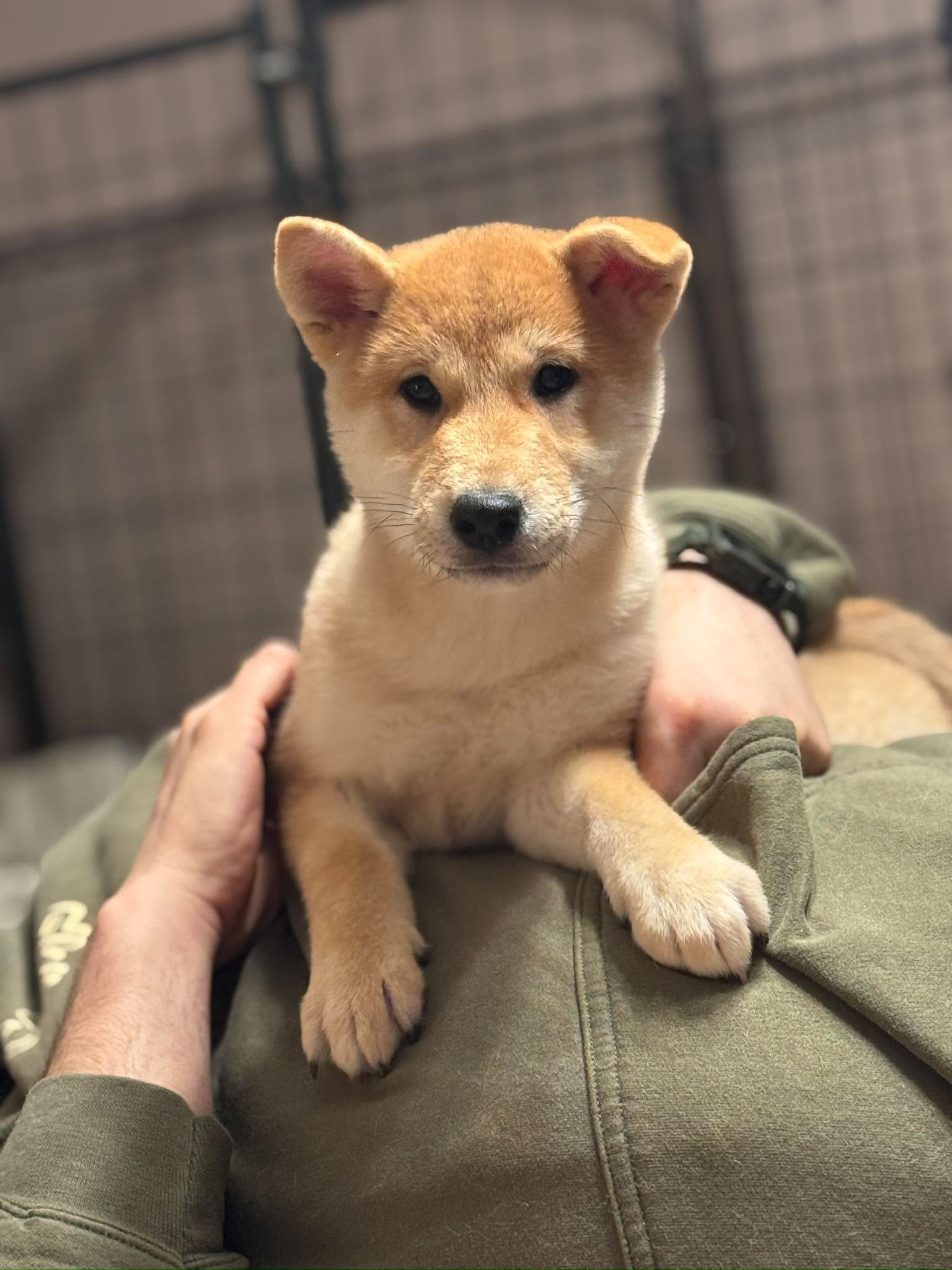
Expected soon
Upcoming Shiba Inu Litters
Each card opens the breeder’s own site, where you can read about the parents and ask about a waitlist or deposit.
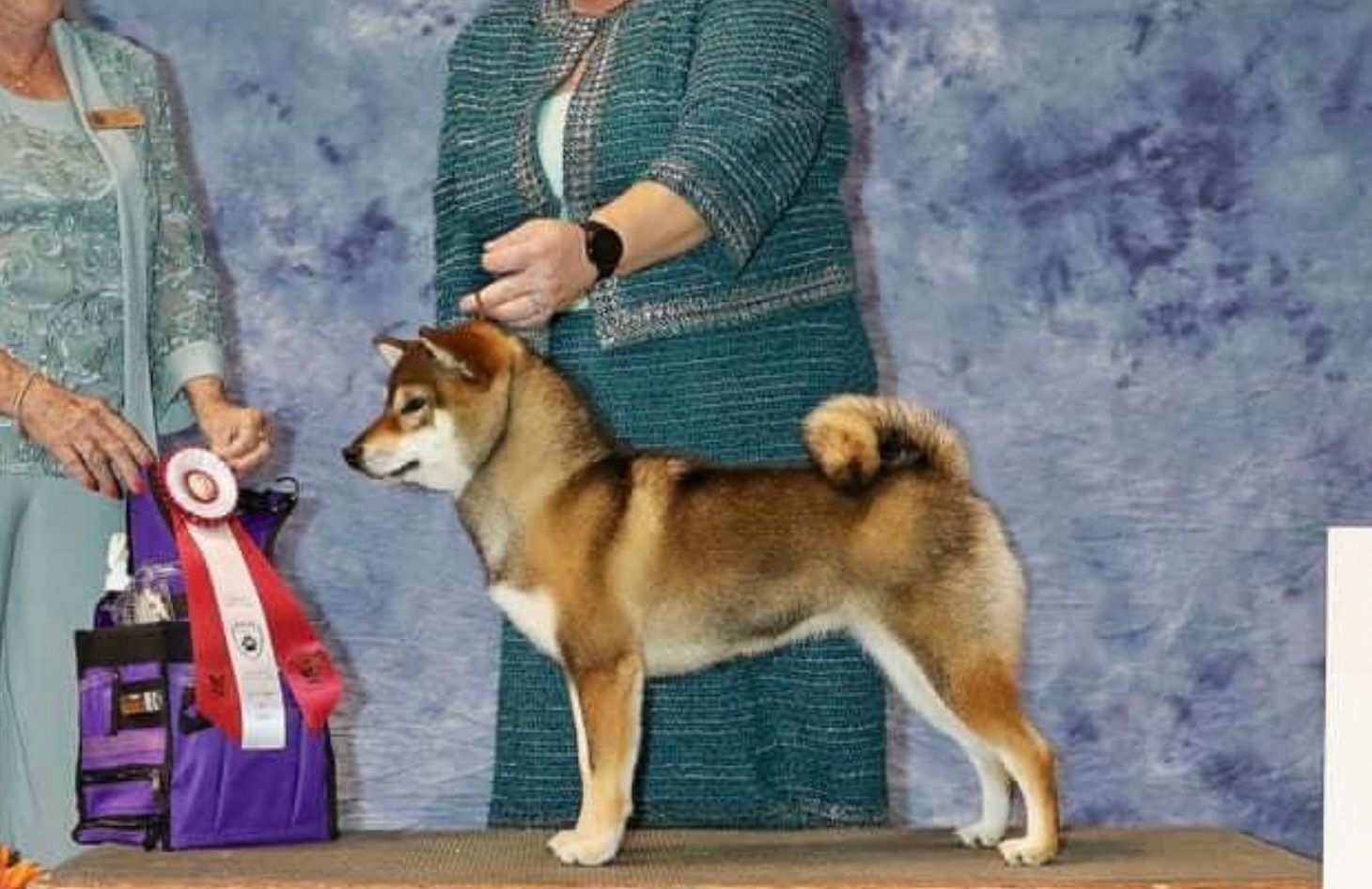
Boo
GCH
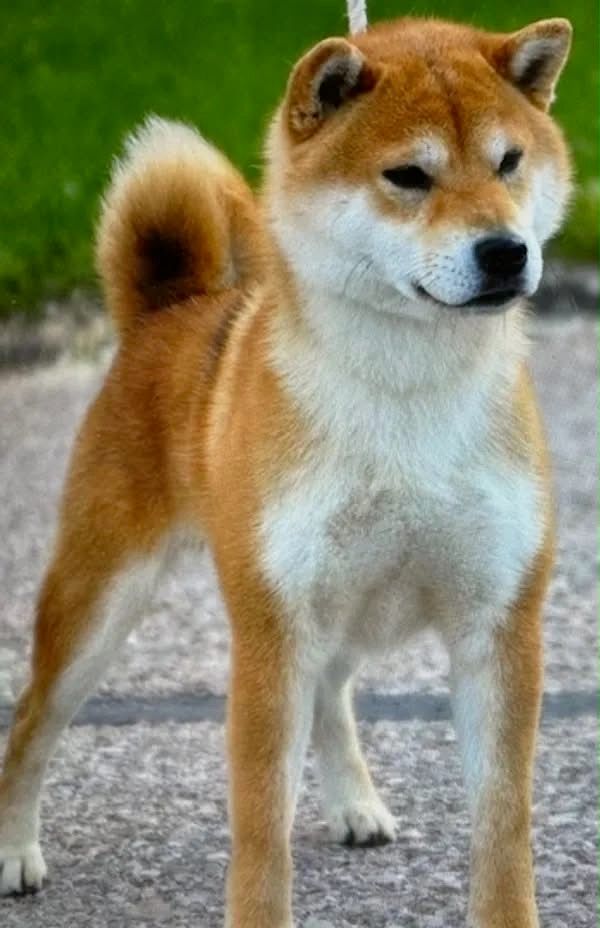
Dusty
GCH
Shiba Inu
DueOctober 21, 2026
Accepting Applications Moonlight Shibas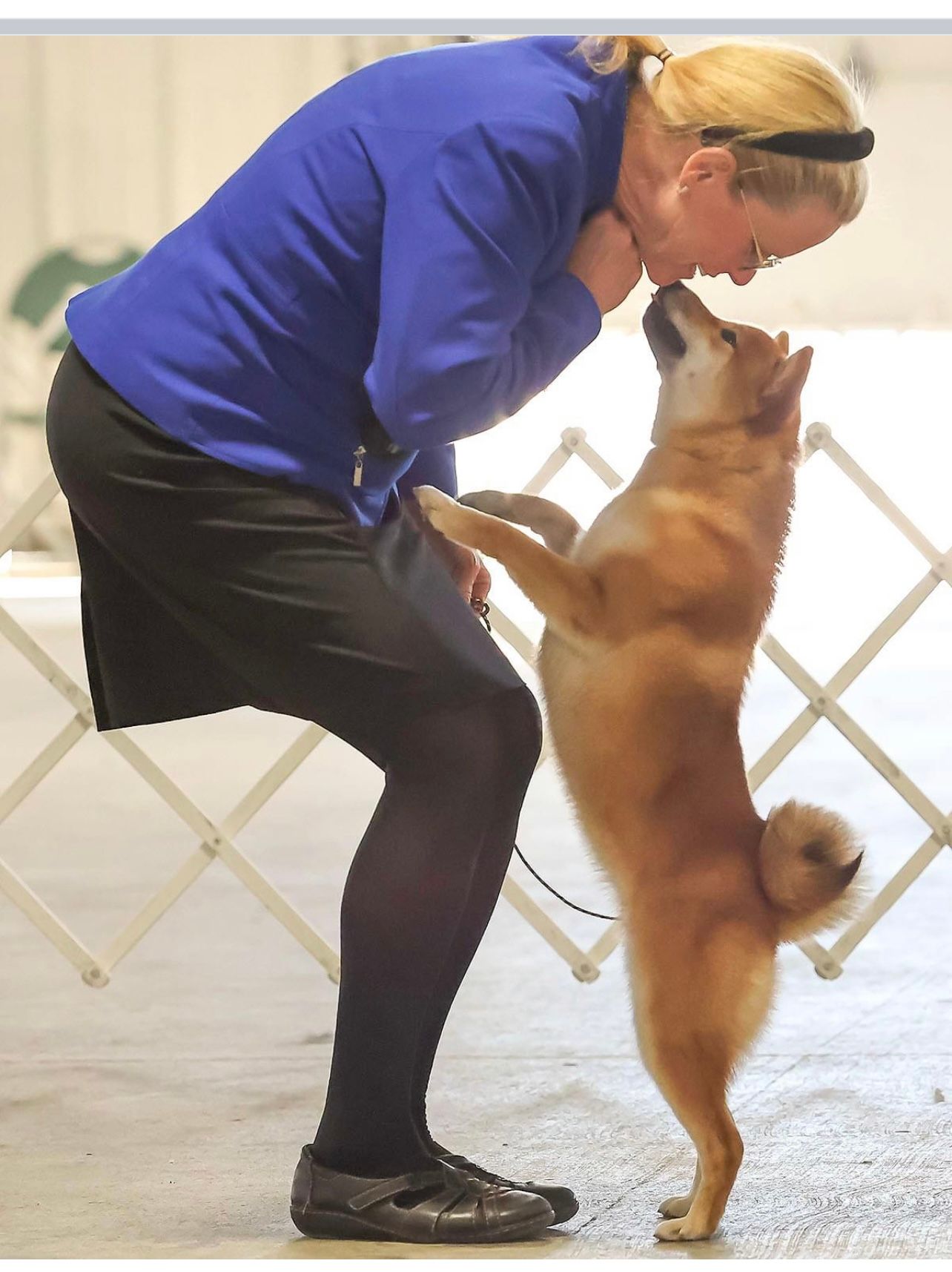
Chloe
GCH
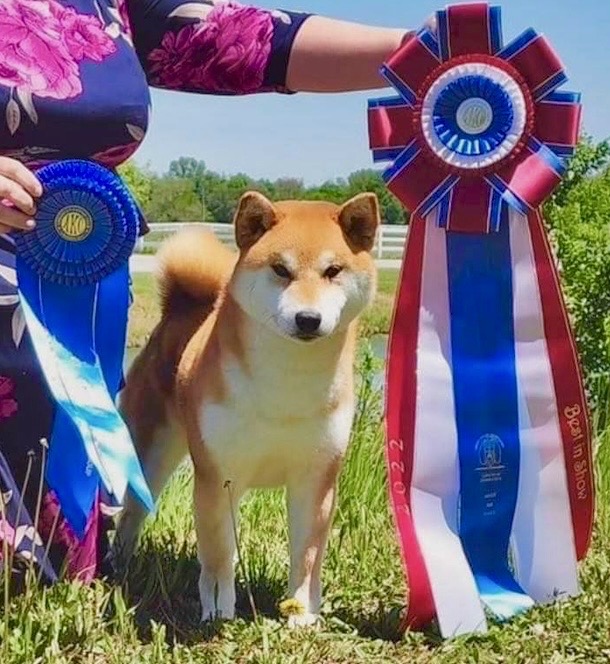
Indiana
GCHP · BIS · BISS · BISOH
Shiba Inu
DueOctober 26, 2026
Accepting ApplicationsMoonlight Shibas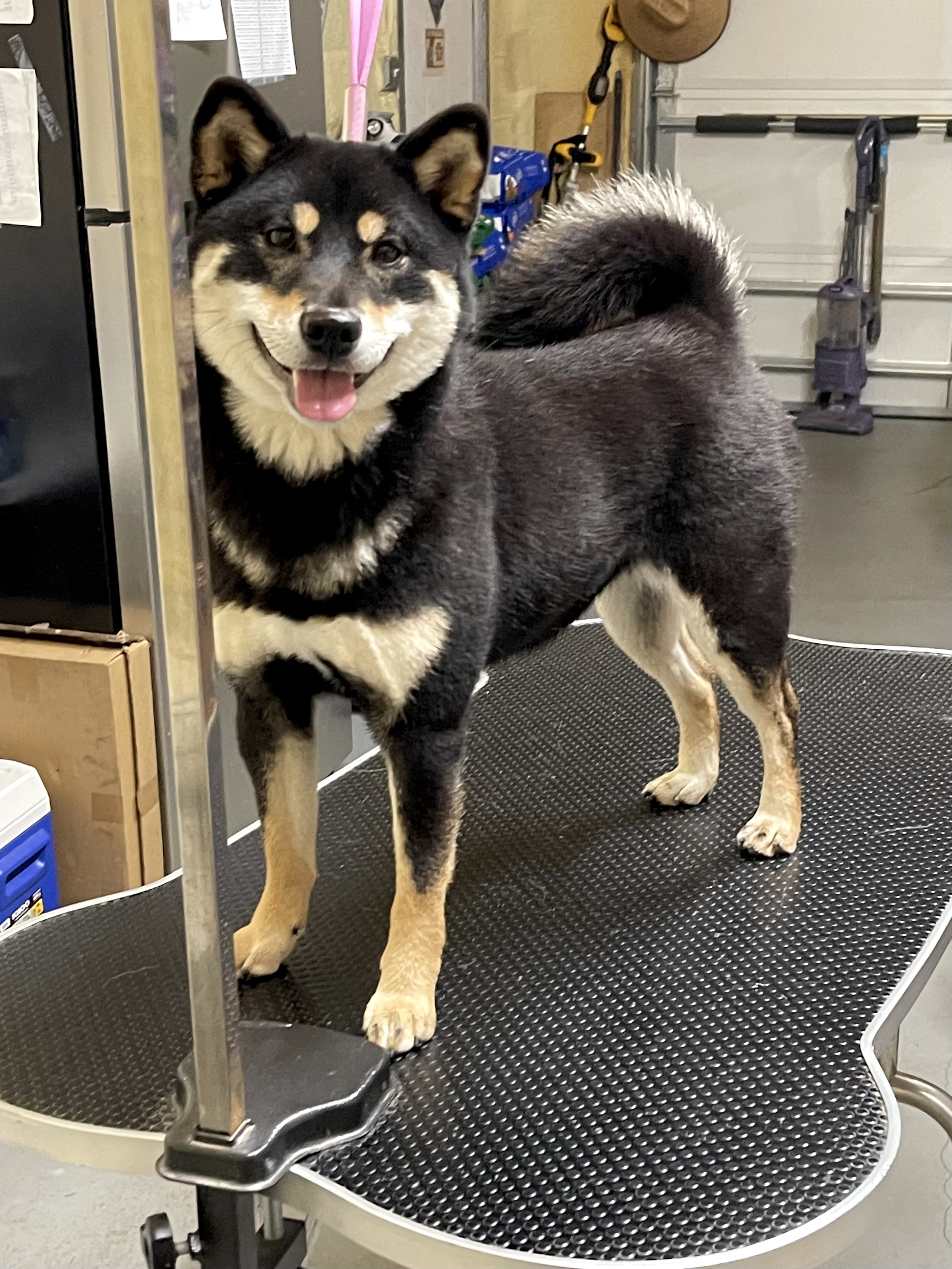
Lakota
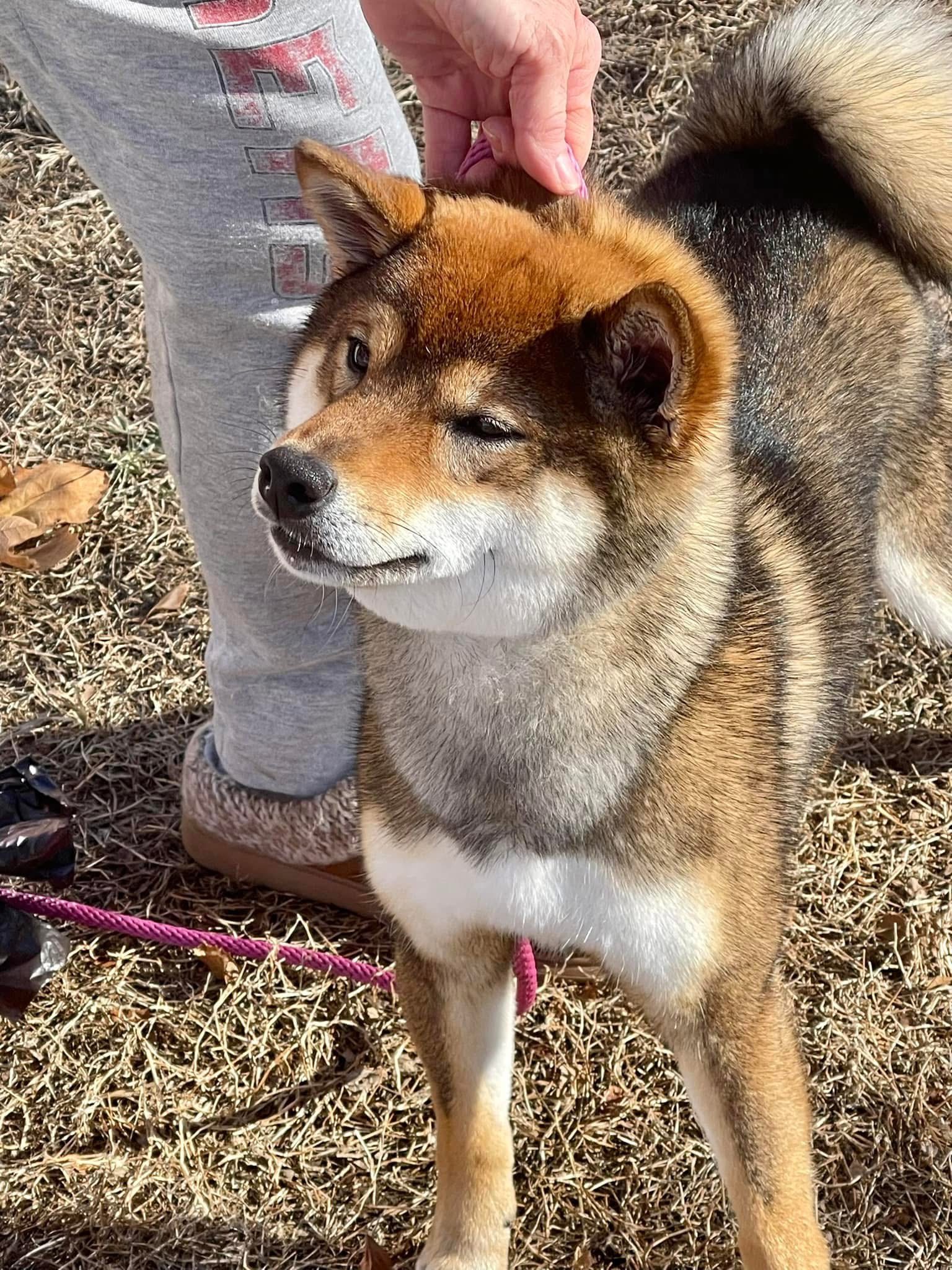
Keech
GCH
Shiba Inu
DueOctober 27, 2026
Accepting ApplicationsMoonlight Shibas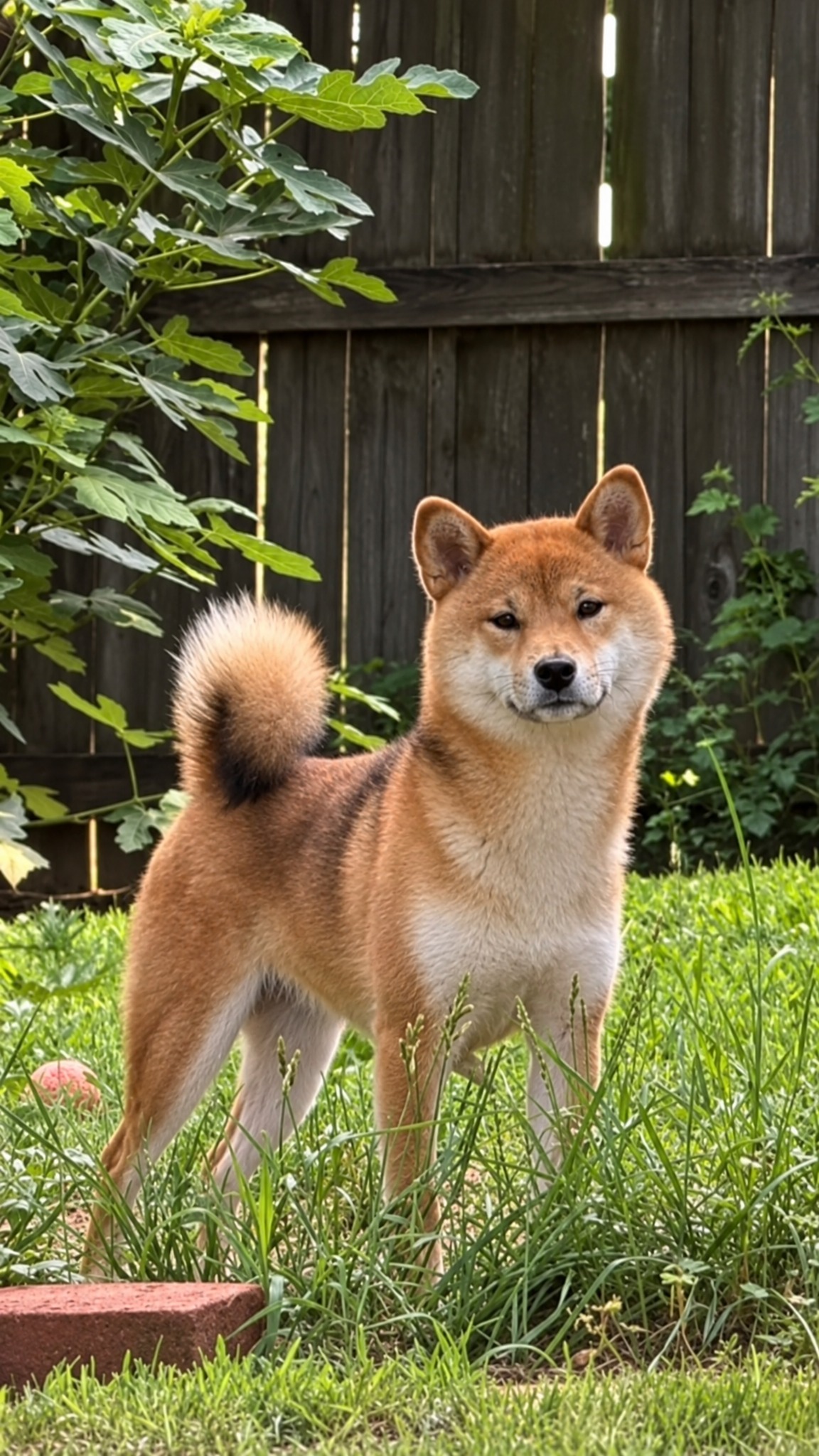
Naboo
CH
Indy
GCHP · BIS · BISS · BISOH
Shiba Inu
Expecting Reds and Black & Tans
DueNovember 18, 2026Go home~January 13, 2027
Accepting Applications Crescent Moon Shibas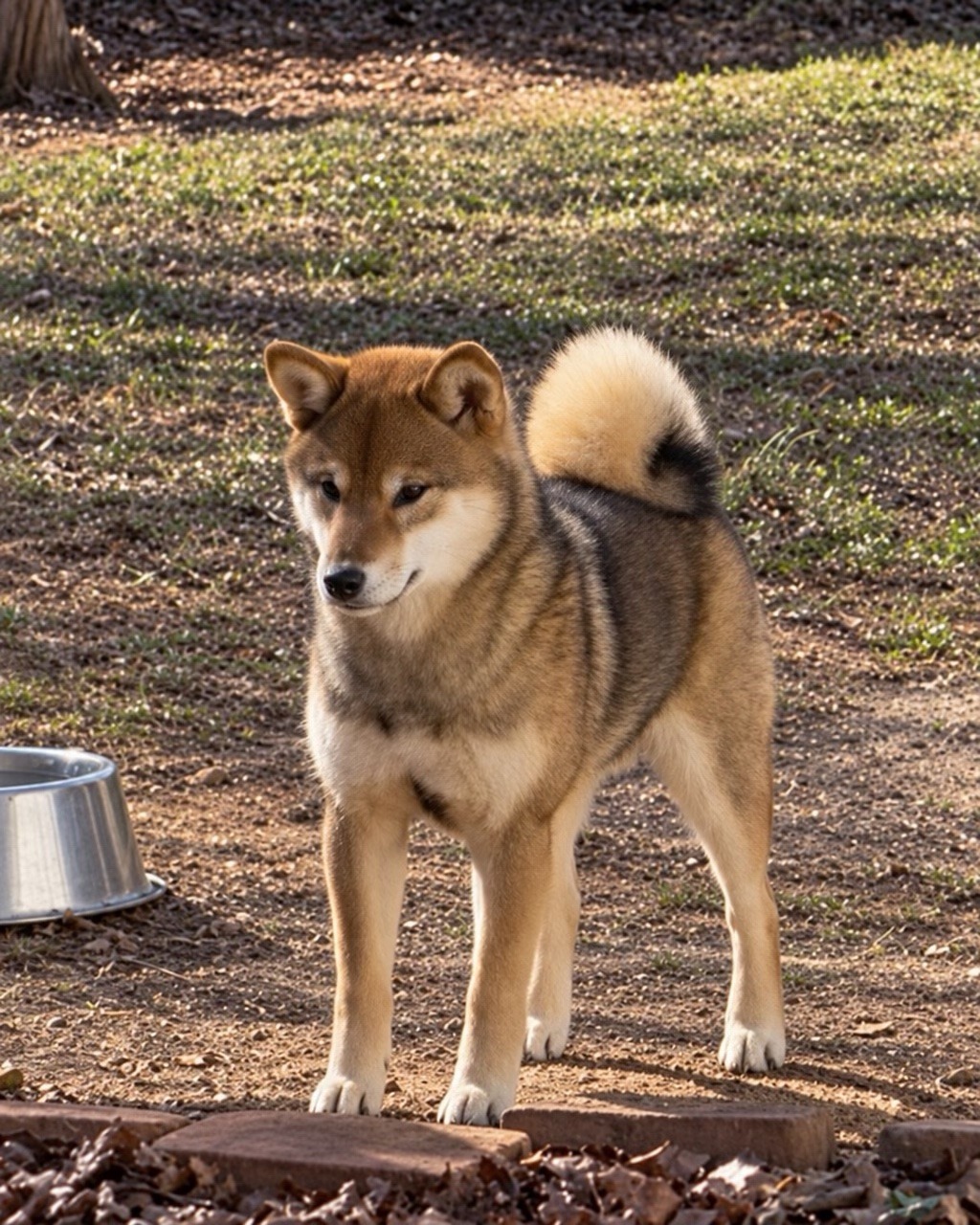
Daisy
CH
Keech
GCH
Shiba Inu
Expecting Black & Tans, Sesame’s, and possible Creams
DueNovember 18, 2026
Accepting ApplicationsCrescent Moon Shibas